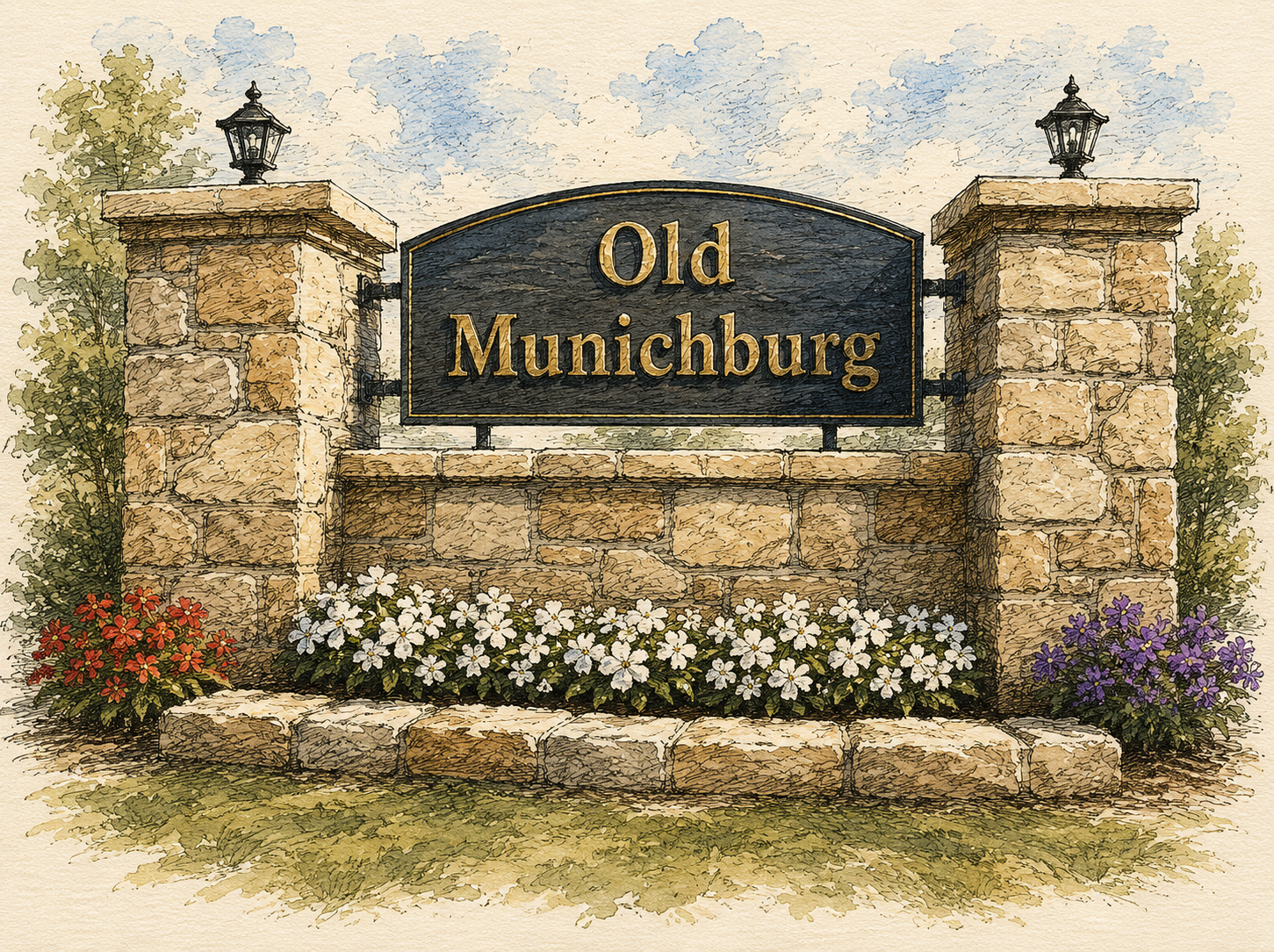
Most people moving to Jefferson City fall for one of two things first: the river bluff downtown, or the brick streets and beer-hall bones of Old Munichburg. This post is for everyone in camp two.
The Quick History
Old Munichburg started in the 1850s when German immigrants settled the slope south of downtown. They named the streets, built the breweries (which Prohibition eventually shut down), and pieced together a neighborhood that, more than 150 years later, still looks recognizably German on a Sunday morning. The Missouri State Capitol gets the postcards, but Old Munichburg is where Jefferson City became Jefferson City.
The federal government formally listed it as the Munichburg Historic District on the National Register of Historic Places. That's a recognition of significance, not a renovation restriction. I'll explain why that matters below.
Where It Is
Boundaries float depending on who you ask, but the core sits roughly between Dunklin Street to the north and McCarty Street to the south, with Jefferson Street running through the spine. Madison, Monroe, and Broadway carry most of the foot traffic. If you can walk to Central Dairy in under five minutes, you're in Old Munichburg.
The Housing Stock
Most of what's for sale here was built between 1880 and 1920. The styles you'll see most often:
- Brick German cottages. One-and-a-half stories, gable roofs, narrow lots, often with a small front porch and a deep back yard.
- Frame shotgun homes. Long and narrow, three or four rooms deep, originally built for working-class families.
- Italianate and larger Victorians. The bigger ones, usually closer to Jefferson Street, with tall ceilings and ornate trim.
Sale prices in the district generally run between the mid $100,000s and the low $300,000s, depending on size, condition, and how much restoration the previous owner committed to. Well-restored homes with original woodwork tend to move fast.
What's There Now
The neighborhood is in a steady, unhurried renaissance. The anchors:
- Central Dairy on Madison: a 1933 ice cream parlor locals would defend with their lives.
- Ecco Lounge: a historic neighborhood bar that's been pouring drinks since long before that was trendy.
- Oktoberfest: the annual neighborhood festival put on by the Old Munichburg Association, with brats, beer, polka, and more lederhosen than you'd expect.
- A small but real wave of new coffee shops, restaurants, and young owners quietly restoring homes block by block.
What Buyers Should Know
Two things people get wrong about Old Munichburg.
1. The historic district doesn't restrict your renovations. This is a National Register district, not a local preservation overlay. You can replace windows, change siding, gut a kitchen, or build an addition without going through a historic review board. The federal listing is honorary.
2. The homes are old, and that matters at inspection. A 1905 brick cottage charms you on the showing and surprises you on the inspection. Things I tell every buyer in this district to check:
- Foundation. Old limestone and brick foundations often have moisture issues. Look for bowing walls, efflorescence, and whether a modern sump system has been added.
- Electrical. Knob-and-tube wiring and 60-amp service still exist in unrenovated homes. Many have been updated, but verify before you assume.
- Plumbing. Galvanized supply lines and cast-iron drains are common in homes that haven't been renovated. Both have finite lifespans.
- Roof and chimneys. Brick chimneys frequently need tuckpointing or a partial rebuild above the roofline.
- Lead paint. Federal disclosure is required on anything pre-1978, which is most of the district.
None of these are deal-killers. They're just the price of entry for owning something this old, and they should shape the offer.
Who It's For
Old Munichburg works for buyers who want character, walkability, real neighborhood history, and a project they can sink into over years. It works less well for buyers who want move-in-ready new construction, attached garages, modern open floor plans, or wide suburban lots.
If you're interested in a specific home in the district and want a straight read on what you're actually buying, reach out. I can tell you which blocks have been holding their value, which homes have been restored well, and what to expect in the inspection room before you fall in love with the front porch.